Soil, Seasons and Style of Cultivation
Three Drivers of Quality and Flavor
Ongoing use of synthetic fertilizers and high-yielding (but lower quality) crop varieties are destroying a lot things - including our palate. Somehow we’ve learned to accept bland and blah; low quality fruits and vegetables that don’t taste very good and don’t offer much in the way of nutrition. The simple truth is that nourishing foods with BIG FLAVOR do not come from depleted soils or the latest work-arounds. The path to reclaiming quality and flavor can be found in nature - where the provenance of food has been perfected over thousands of years. A level playing field where any grower with a commitment to sustainability can adjust to seize the rewards.
In addition to the commonly adapted annuals and perennials that we grow in our planting zone (6), we have several local exotics that we cultivate for building flavor and bio-therapeutics in our ferments. These plants are considered “exotic” because they’re not adapted to zone 6a and are typically cultivated in faraway climates and cultures - not Northeast Ohio. Improving the ecological capacity and resiliency of our grow space is always on my mind.
Here’s what matters the most:
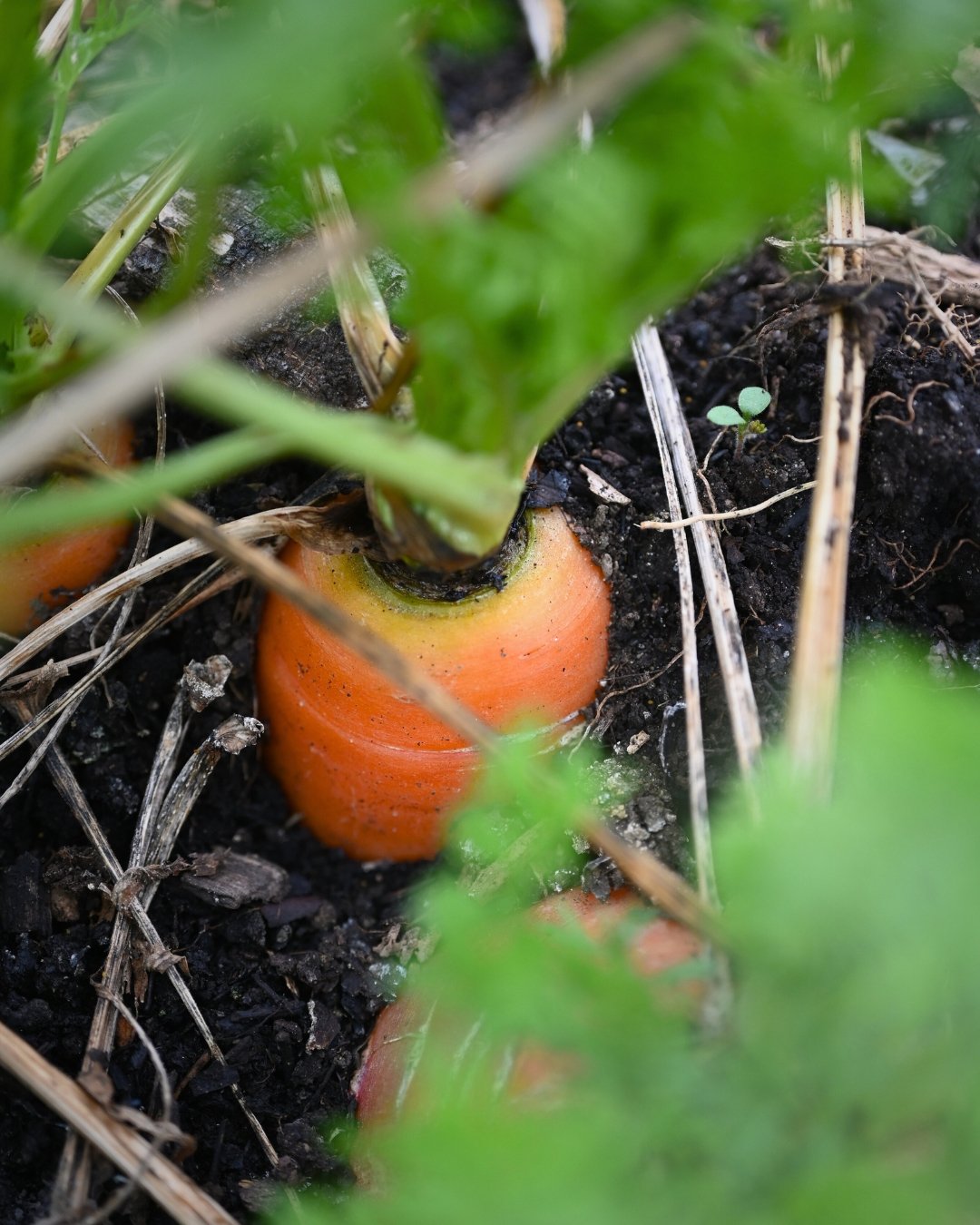
Soil matters. There’s a big difference between a carrot grown in healthy living soil and one that is grown in dirt “hiked-up” on synthetic fertilizers for a quicker harvest. Healthy soil is teaming with biological diversity known in regenerative farming as the Soil Food Web. This food web is comprised of various populations of microorganisms that cycle nutrients in direct response to plant requirements. High quality soils are replete with the resources required to synthesize essential plant nutrients on-demand. This means less work for me, the grower, because I can count on nature to manage fertility 24x7. I know that if I do a good job nurturing my soil, my soil will nurture my plants. There is no better way.
In Ohio, and in most places these days, rapid changes in weather conditions can cause chaos for growers who are unprepared. Row covers and overhead protection (high tunnels) won’t be enough. Irrigation won’t be enough. The ultimate differentiator: SOIL. Healthy living soil is more resilient to climate stressors because these grow spaces:
Aren’t chemically dependent on synthetic fertilizers.
Are less compacted allowing better oxygen diffusion, deeper root penetration, and optimal conditions for the proliferation of aerobic biota.
Have better water holding capacity to moderate changing weather conditions and to prevent runoff or accidental loss of organic matter.
Have more expansive mycorrhizal networks which perform as super highways for transporting water and nutrients over distances.
Provide an ideal habitat for one of the most biologically diverse and productive ecosystems on earth.
Yes, we’re obsessed with our soil - and proudly so.
Seasons matter. Summer carrots taste very different than carrots harvested during cold weather months (December to March/April in our climate). Root vegetables, like carrots, are sweetest in flavor after undergoing a process known as cold-sweetening; a natural survival technique where starches are converted to sugars to prevent freezing. These sugars are ultimately converted into lactic acid and umami flavors during the fermentation process. For sauerkraut varieties like Carrot & Caraway, I definitely prefer a cold-season harvest. By integrating these seasonal considerations into our production plan, we partner with nature to co-create the most delicious bold and briny flavors.
Another key point about seasonality: carrots harvested in July will have a different microbial ecology than carrots harvested in December. Living soil is dynamic which adds natural complexity to fermentation outcomes. So… shorter daylight hours, different precipitation types and amounts, cooler soil temperatures — all factors that contribute to subtle changes in the fermentative ecology. Aside from local freshness, we’re constantly reminded that microbial ecology is the ultimate creator of BIG FLAVOR in lacto-fermented foods. Growing and harvesting with the seasons expands our opportunities to explore authentic local flavors produced by diverse communities of gut-loving microbes.
Style of Cultivation matters. The heirloom and non-GMO seed varieties that we select, the biological soil mix we make onsite for seedling starts, the thermal compost we produce annually, the use of cover crops, the avoidance of chemical pesticides/fertilizers, the use of natural organic mulch (e.g. wood chips) over plastic (e.g. geotextiles), the complete departure from tilling our soils, and the ongoing nurturing of mycorrhizal networks; THIS is our way.
Micro-ecology for bringing about the highest quality foods:
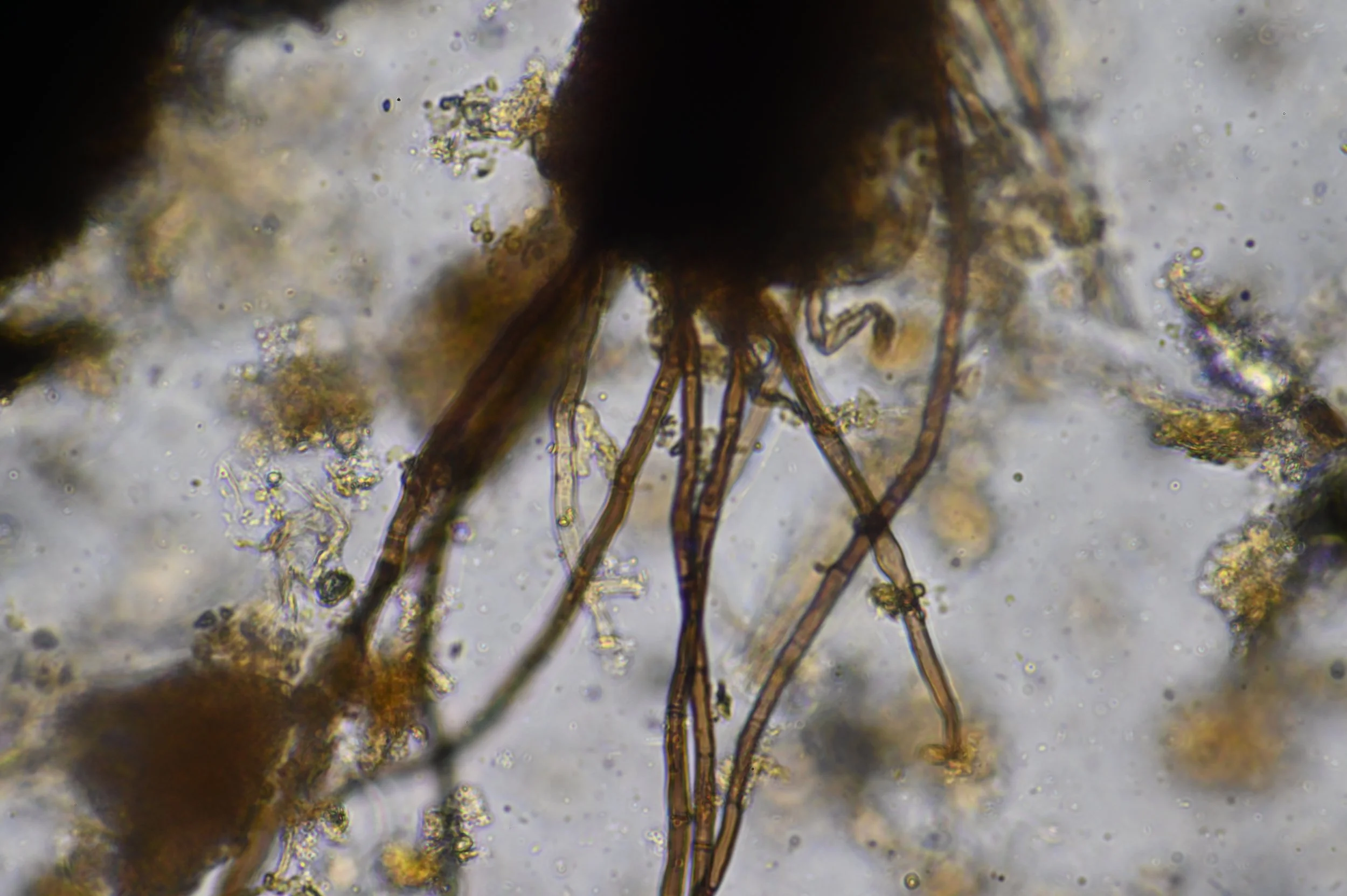
The Soil Food Web
Micrograph of Kres soil showing bacteria, fungal hyphae and a range of fulvic and humic acids. A mystical ecological factory teaming with life. It is within this interface between the Soil Food Web, mineral matter, organic matter, water and air that our highest quality foods are grown. Our most important job as growers isn’t the planting or picking - it is to nurture and protect this micro-environment, helping the system thrive in spite of changing climate conditions.
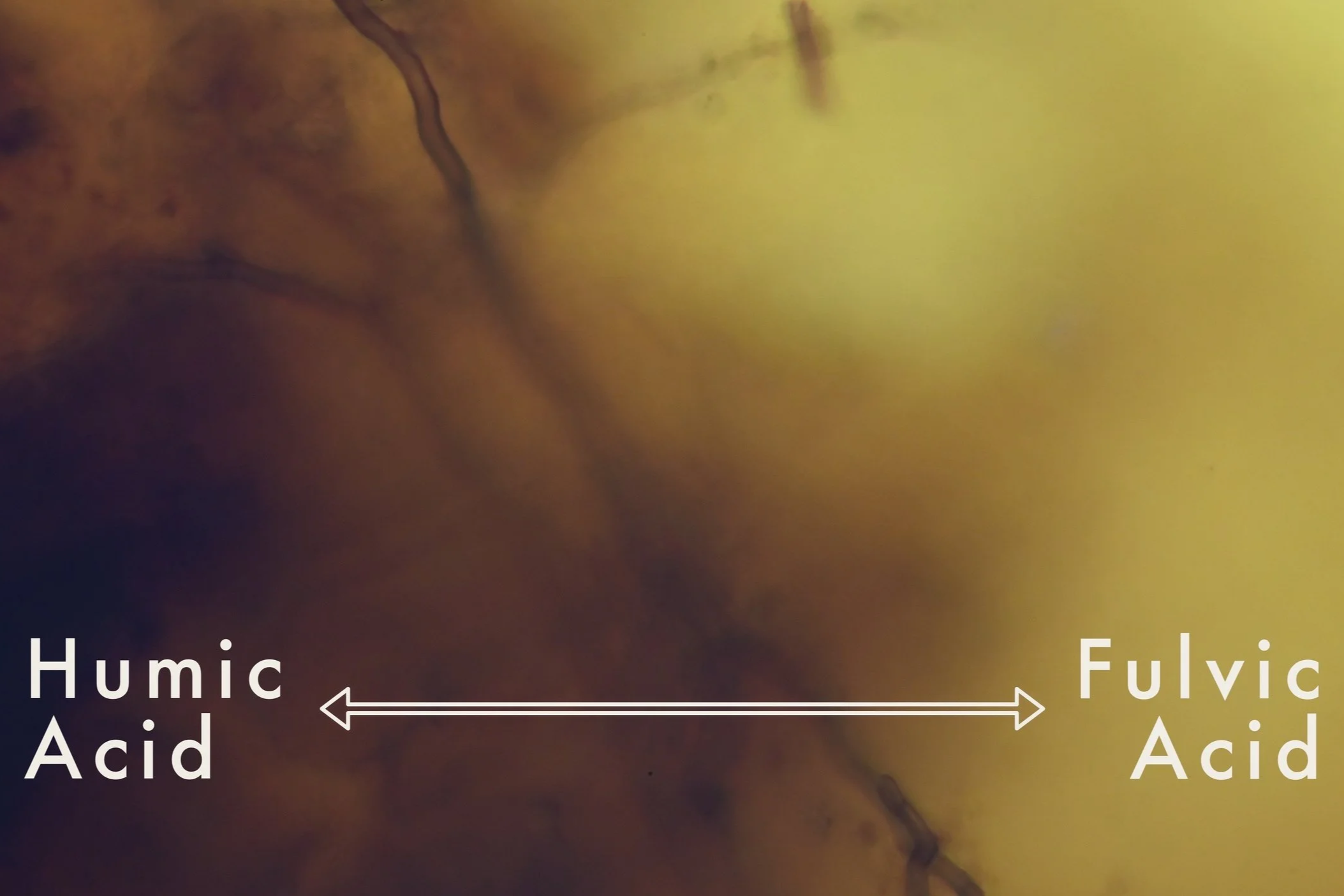
Humic and Fulvic Acids
Powerful nutrient chelators, organic acids benefit Kres’s grow system by making minerals more available, simulating root growth, improving soil structure, boosting microbial activity, and increasing plant uptake of nutrients, leading to healthier, more resilient plants and better overall soil fertility.
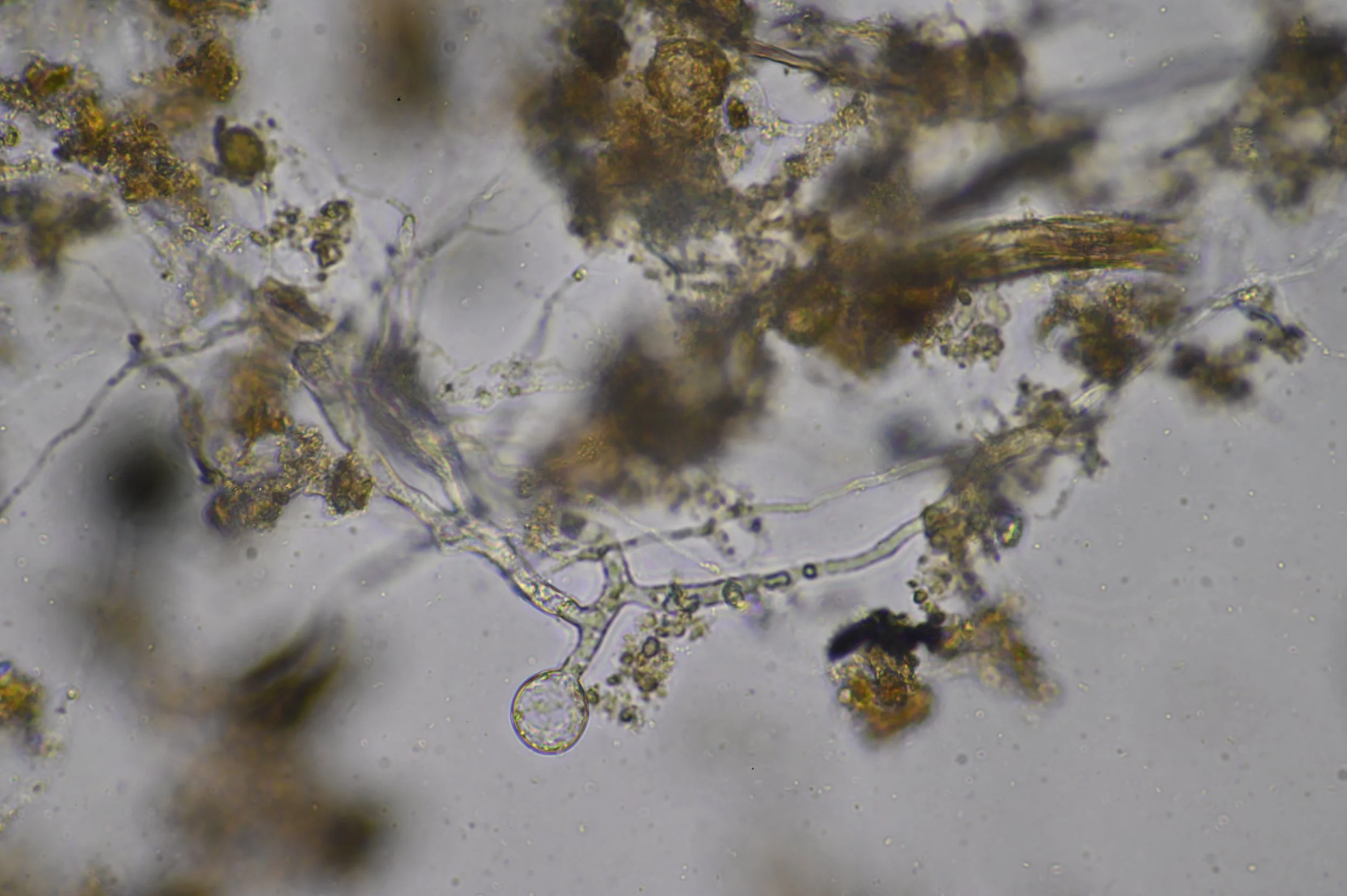
Arbuscular Mycorrhizal Fungi (AMF)
Fundamental to our regenerative system, AMF enhances nutrient uptake (especially phosphorus), drives better water efficiency, improves soil structure, boosts plant resilience to stress, sequesters carbon, and facilitates resource sharing - all vital interventions for soil health and ecosystem productivity. We nurture indigenous AMF throughout our system by composting, eliminating synthetic inputs, avoiding tillage and using cover crops whenever possible.
All Micrographs taken by Kres Farm LLC, 400x TM. All Right Reserved.
3 Reasons Compost is Superior for Regenerating the Soil Food Web
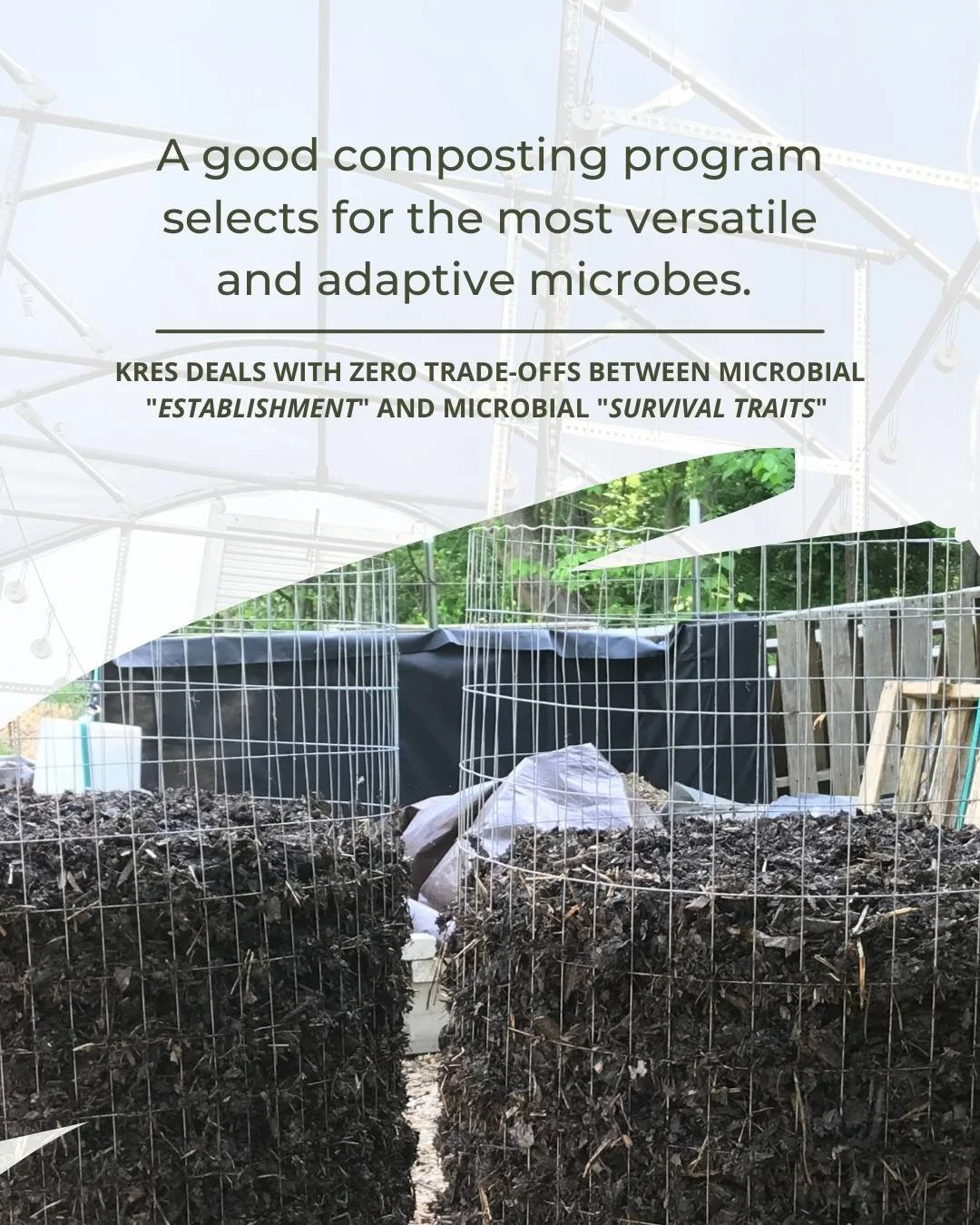
The Primary Source of Kres Kitchen Fertility is COMPOST.
Not only is compost our “go-to” for boosting plant fertility throughout the growing season, it also serves as our “onsite nursery” for raising diverse populations of Soil Food Web microbiology.
Key benefits of producing our own compost (that commercially available “beneficial microbes” in a bottle cannot match):
Diversity: An onsite composting program optimizes growth and development of different soil food web contributors. Primary microorganisms include diverse populations of bacteria, fungi, protozoa and nematodes, and primary invertebrates include insects, mites and worms. Together, these organisms perform as an integrated team.
Locally Adapted: Onsite propagation ensures that our microbes are fully adapted to living and working in our terroir. This is important because our local ecology must be capable of successfully navigating rapidly changing climate circumstances, year-over-year.
Locally Established: Teams of diverse microorganisms naturally establish themselves within the compost heap. So, when the compost is properly distributed to grow spaces, the ecological performance is seamless and periods of Soil Food Web instability or delays aren’t a big concern.
Summary:
Better ecology for cultivation >>> more resilient plant production >>> higher quality outcomes in the kitchen >>> superior bio-therapeutics and FLAVOR in our fermented products. Closing the loop.
If our ecosystems can’t survive an evolving climate, even the best growers will struggle to succeed. Extreme weather is only increasing in variability and speed, which means cultivating in the future must be flexible, synergistic and regenerative, or risk becoming a mortal endeavor. We’re sitting at the inflection point, the future of food will not based on scale alone. Mark me.
Below is an illustration of a farm-to-fermentation cycle for our popular Carrot & Caraway Sauerkraut. Don’t let the simple ingredients fool you! Just cabbage, carrots, caraway, salt and nature’s wild cultures is all that’s needed to generate the most complex flavors and the most bio-therapeutic nutrients. In a typical cycle, many of the outcomes anticipated for our ferments are already been locked-in long before we arrive at the professional kitchen… This is Kres three S’s. This is our craft.


If you’re interested in learning more about the core fundamentals of regenerative cultivation, follow us on Instagram @insoilhealth where we post on our healthy soil initiatives and provide encouragement for others working to do the same.
Kraut on!