The Fermenter’s Garden: A Stunning Companion for Cabbage
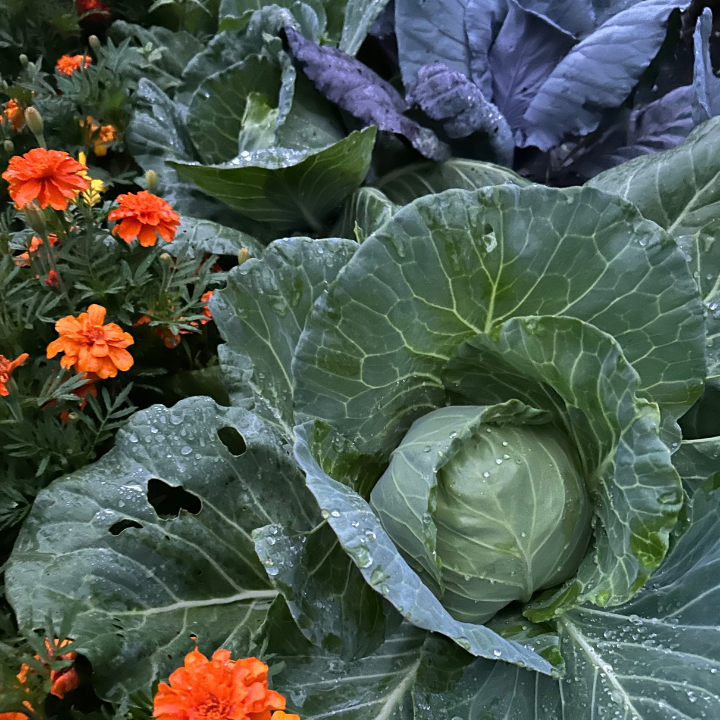
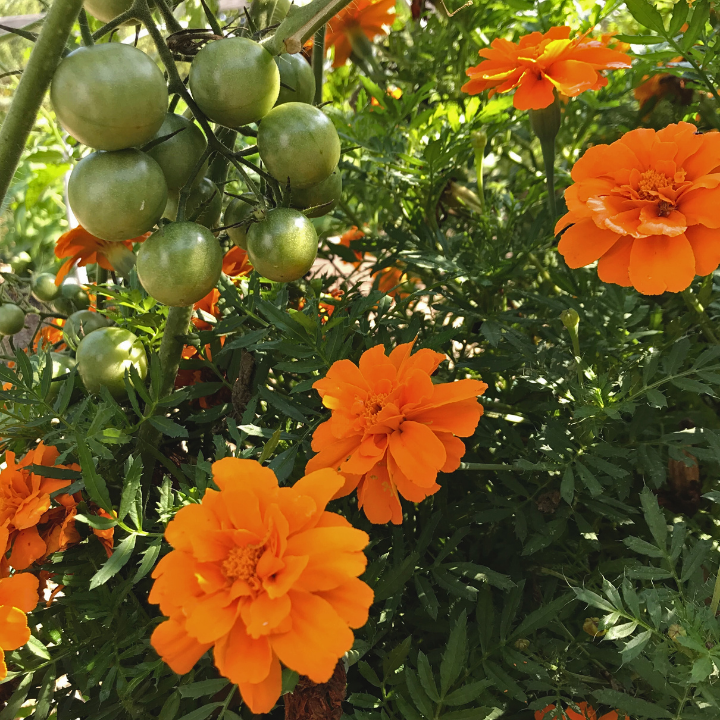
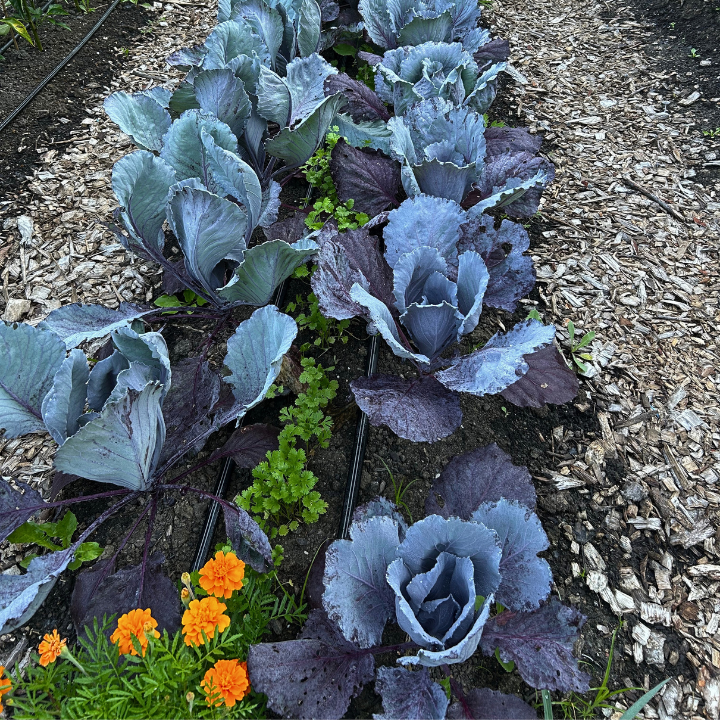
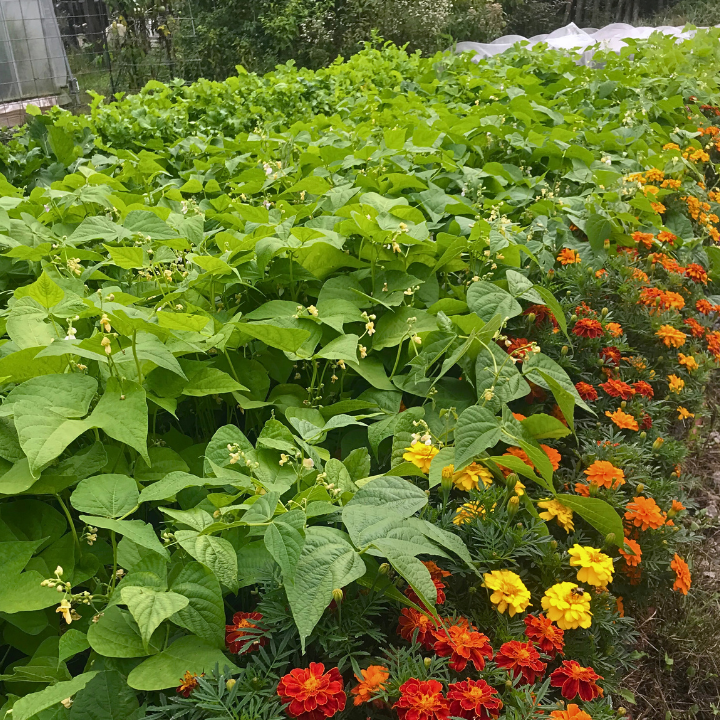
Regenerative systems thrive when natural symbiotic relationships between plants are optimized. For example, planting French marigolds next to cabbage for pest management, improved soil health and better biodiversity. Interplanting is one of the easiest things we do in the fermenter’s garden to support ecosystem health. The functional benefits are salient and the visual beauty adds pure joy to those who visit and work in our space.
National Seed Swap Day 2026
This annual horticultural exchange is fast approaching on January 31st. We’re excited to help sponsor seed swapping traditions at CVFM Second Annual Seed Swap & Share event. In addition to donating open-pollinated French Marigold seeds saved from our own system in 2025, we wanted to share a few tips and offer our support to fellow growers planning a FERMENTER’S GARDEN this year. In our view, marigolds are fundamental to any grower/fermenter setting out to cultivate their own ingredients.
French Marigolds: How to Use as a Functional Companion for Cabbage
Tagetes Patula commonly called French marigold, is a compact annual that typically grows 6-12” tall and features single, semi-double or double flowers in shades of yellow, orange, red and bicolor. Their pinnate leaves are aromatic - more on this in a minute. Marigolds are widely considered a top-tier annual companion plant. I think of them as a powerful tool because they’re easy to grow and they play a functional role in our cultivation plan. This year represents our ninth season integrating marigolds into our system; the results have been impressive when it comes to soil health and ecosystem balance.
Marigolds and Cabbage — The Top Three Benefits You Need to Know:
Marigolds attract beneficial insects to your grow space boosting populations of both predators and pollinators.
Marigolds promote pest management above and below ground.
Marigolds bring resilience and broad compatibility to regenerative grow systems.
Let’s dive into the details…
Marigolds attract beneficial insects to your grow space boosting native populations of both predators and pollinators.
The best way to attract any insect is to provide a favored food source. The vibrant blooms of marigolds are very effective at advertising an abundant source of nectar and pollen. This visual candy brings in all the beneficials, many stick around for the carnivorous meals. The two main categories of beneficial insects that marigolds invite are predators and pollinators.
Predators (Your Garden Bodyguards):
Marigolds attract a wide variety of beneficial insects that feed on common pests positively impacting natural pest control. Initially, these insects come for the nourishing appetizers (nectar and pollen), but then stay for the everyday meals (insect pests). Predatory insects typically feed on both garden pests and floral resources depending on their life stage and the availability of prey. Most rely on pests like aphids and caterpillars (e.g. cabbage worms) for essential proteins and fats, especially during their growth stages. Adult predators use sugary nectar for immediate energy to "fuel the hunt" and to fly between plants. Pollen serves as a supplemental protein source, helping them survive and continue reproducing when pest populations are less abundant. I was always advised that complete eradication of pests (like with pesticides) is a big mistake - not only are you introducing toxins to your grow space, you’re disrupting balance in the ecosystem — no prey >> no predators >> more pests. Access to nectar and pollen allows beneficial insects to live longer and produce more offspring than if they only had access to prey.
The most important predatory insects for cabbage are those that specifically target caterpillars (cabbage loopers and cabbage worms), aphids, and diamondback moth larvae. These primary "allies" for cabbage protection are categorized into specialist parasitoids and generalist predators:
Specialist Parasitoids: Most valued because these insects lay eggs inside cabbage pests, killing them from the inside out. They are often cited as the most effective biological controls because they precisely target destructive cabbage worms.
Trichogramma Parasitic Wasp: Small wasps that parasitize the eggs of cabbage loopers before they can hatch into larvae.
Cotesia (Braconid) Parasitic Wasp: Specifically Cotesia glomerata (attacks imported cabbageworm of the white butterfly) and Cotesia rubecula. You may see evidence of these as tiny white or yellow cocoons attached to dead caterpillars.
Ichneumonid Parasitic Wasps: Target various caterpillar and beetle larvae.
Tachinid Flies: Gray, bristly flies that resemble houseflies. They lay eggs on or near the heads of cabbage loopers and other caterpillars; their larvae then tunnel into the host.
Generalist Predators: These insects actively hunt and consume a variety of cabbage-specific pests.
Lady Beetles (Ladybugs): Both adults and "alligator-like" larvae are voracious consumers of cabbage aphids and occasionally small insect eggs.
Hoverfly (Syrphid) Larvae: While adults are pollinators, their blind, legless larvae are among the most important natural enemies of aphids in Cole crops like cabbage.
Predatory Stink Bugs: Species like the Spined Soldier Bug (Podisus maculiventris) use piercing mouthparts to attack cabbage loopers and armyworms.
Green Lacewings: Known as "aphid lions," produce larvae that are aggressive hunters of aphids, thrips, and small caterpillars.
Dragonflies: Strict carnivores, dragonflies do not feed on marigold pollen or nectar but they’re often seen around dense plantings for the reliable hunting grounds marigolds provide. Scientific research confirms that dragonflies are opportunistic aerial predators that consume a wide variety of flying insects, including cabbage white butterflies and moths. While studies focusing exclusively on the dragonfly-cabbage moth relationship are less common than those for mosquitoes, broader ecological and DNA-based research supports this predation.
Vespid Wasps (Paper Wasps & Yellow Jackets): Although often considered nuisances, these are major predators of cabbage worms, often seen hunting for larvae on the undersides of leaves. We find wasp nests around our grow spaces every year. If they’re tucked away in areas that do not cause a safety risk to people or domestic animals, we don’t disturb them. By the end of the season, wasp nests are generally vacated and never reused.
Nero cabbage with a paper wasp actively feeding on a cabbage worm. These green caterpillars top our list of the most destructive pests found in the Fermenter’s Garden. Fostering a “Predator + Prey” ecosystem is vital to healthy food production — sans toxic pesticides. Systems collapse from imbalance. By allowing some caterpillars on sacrificial plants, like this Nero cabbage, we keep predators well-fed… and coming back for more.
Video by Kres Kitchen
Pollinators (Your Garden Productivity Mavens):
Marigolds are highly valued for their ability to attract a broad range of pollinators through their vibrant colors and rich supply of nectar and pollen. They’re particularly important for season-long flowers as they start blooming in spring and continue through light frosts, providing a reliable food sources for pollinators from spring to autumn.
Four Key Pollinator Groups Attracted to Marigolds:
Bees: Marigolds are a "hotspot" for various species, including honeybees and numerous wild bees. They are specifically drawn to the yellow and orange hues and can be a valuable source of both nectar and pollen. Our honeybees tend to visit marigolds much later in the season — after other flowers are finished blooming.
Butterflies: The open shape of French marigolds provides an ideal "landing pad" for butterflies like Monarchs to sit and sip nectar.
Hoverflies (Syrphid Flies): In addition to being pest predators, adult hoverflies are significant pollinators. One study found that they accounted for over 43% of the pollinators collected on marigold flowers.
Others: Various species of wasps visit for floral resources when predation sources are low. These wasps can also serve as ecosystem pollinators.
Marigolds Promote Pest Management
Marigolds provide a layered defense system against a variety of garden villains living above and below ground. Three methods of pest management are often promoted by popular gardening sites but only two are backed by science. Let’s take a look…
Root Exudate Pest Management for Root-Knot Nematodes
In nature there are good-guy and bad-guy nematodes — root-knot nematodes are the bad ones and are generally found in poor quality, compacted soils. These microscopic worms suck nutrients directly from the plant's roots leaving galls (swellings) that severely restrict water and nutrient absorption. Damage from root-knot nematodes can stunt plant growth, cause wilting (even with adequate moisture), reduced yields, and increased plant susceptibility to secondary infections. French marigolds are thought to be the undisputed champions of below-ground protection against plant-parasitic nematodes because they release alpha-terthienyl, a compound lethal to harmful nematodes.
The scientific research on this is solid but there are a few important nuances. Marigolds can be effective against root-knot nematodes affecting cabbage but soil quality and timing matter. If you’re starting out with soil that is already chemically stressed or compacted, marigolds won’t be a simple "quick fix" through companion planting. Nematodes may find and infest the cabbage roots - even when they’re right next to a thriving marigold plant. In poor quality soil, marigolds are most effective when grown as a dense, solid cover crop for at least 2–4 months before you plant your cabbage. This forces preexisting nematodes to enter the marigold roots, where they are neutralized by alpha-terthienyl toxins.
You may be able to achieve this sequential plan in a in a single season using the following six steps:
Choose your ideal location for fall cabbage plants.
Manually aerate compacted soil with a pitch fork (small areas) or broadfork (more efficient).
Add 1-2” of compost to this location to reintroduce biology and promote the Soil Food Web.
Plant a dense cover of marigolds in early spring or as soon as the risk of frost has passed.
Mulch marigolds with leaves or clean straw to cover soil surfaces and protect the Soil Food Web.
In late July early August, cut Marigolds at soil level and immediately follow with well-developed cabbage seedling “starts” for a fall harvest. I generally start seedlings in June for a fall planting.
Some research suggests marigold root exudates can hinder the growth of neighboring plants. I haven’t found this to be true. This effect may become a problem if marigolds are grown in the same spot for multiple years, allowing chemicals to accumulate in the soil. Otherwise, the benefits far outweigh the risks - especially if you’re planting healthy cabbage seedlings and not direct sowing.
If you’re starting out with good quality soil, you can begin interplanting marigolds with cabbage straight away in spring. This can be an effective strategy for maintaining and promoting soil health. I find that best practice for planting cabbage + marigolds in good quality soil is to rotate crops year-over-year so that this year’s cabbage is planted into spaces where marigolds were grown last year.
Scent-based Pest Management for Flying Insects
While laboratory tests show some insecticidal potential in marigold compounds, real-world garden studies consistently fail to prove that marigolds effectively repel flying pests like cabbage moths and white flies. Based on current research and my own experience, claims that promote the “repelling scent of marigolds” are largely garden myths. Don’t fall for this one.
Trap Cropping for Pest Management
Trap cropping is an integrated pest management (IPM) strategy for using sacrificial plants to lure pests away from the main crop and to quantify pest pressure within your system. This strategy can be a double-edged sword if you’re a hands-off grower or don’t have the time to manage the system of cultivation. Trap cropping implies engagement - scouting the trap plants and intervening when necessary. Here’s the bottom line: USDA lists aphids, slugs, and spider mites (plus 12 others) as pests that are naturally attracted to marigolds. While some growers point to this as evidence that marigold companions invite problems to your cabbage patch, I wholeheartedly disagree. All regenerative growers deal with some level of pest pressure - the challenge is to replace polarized thinking (avoid marigold companions altogether) with systems thinking (trap cropping can help my system succeed). When pest problems destroy entire crops, the ecosystem is sending a strong signal that things are out of balance. One of my most important jobs as a grower is to support/restore balance. Trap cropping is a useful strategy.
Common Marigold Planting Methods for Use as Trap Crop:
Perimeter/Border: Plant completely around the main grow space like a "fortress wall" to intercept (and remove) pests coming in. This planting method can be very effective for home growers using raised beds.
Intercropping rows: Plant the trap crop in alternating rows within the main grow space. Most effective for row cropping cabbage and marigolds and rotating in subsequent years (planting cabbage into marigold rows).
Mixed/Strip: Plant trap crops in patches or strips. I like using this method for slug management at the end of rows where planted rows intersect with wood chip pathways.
Actively managing trap plants is a vital part of the process. Do this by heavily scouting and when pests concentrate on the marigolds, deal with the problem as needed (e.g., handpick, soapy water, burning, or composting). The goal is to prevent pests from migrating to the main crop.
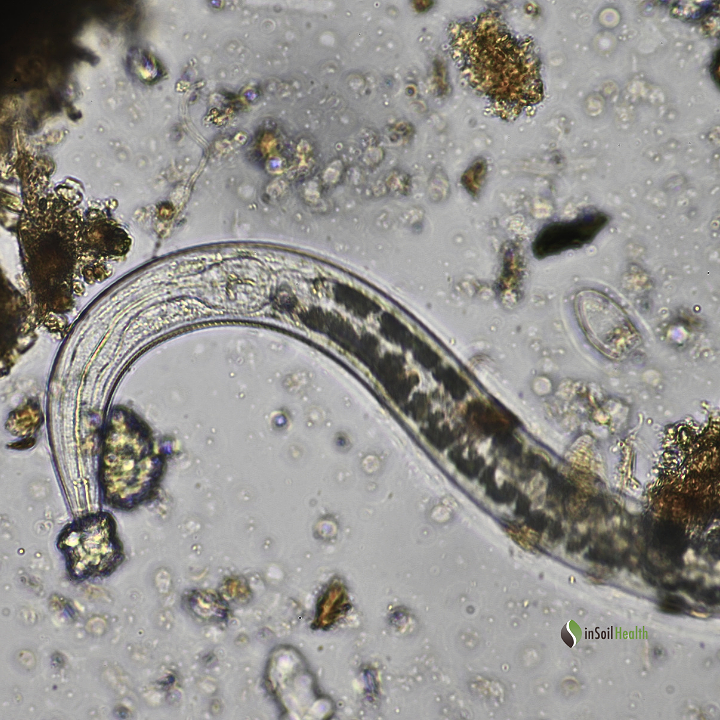
Curious about Soil Nematodes?
Nematodes are microscopic soil-dwelling worms that can either be highly beneficial or significantly harmful to plants. Beneficial types enhance soil health by cycling nutrients, breaking down organic matter, and preying on pests. Conversely, plant-parasitic nematodes (root-knot) thrive in compacted unhealthy soil, feed on plant roots causing stunted plant growth, wilting, and reduced yields. To nurture healthy populations of beneficial nematodes, focus on improving your soil — good aeration, plenty of organic matter, minimal use of toxic chemicals and soil surface protection such as cover crops or mulch.
Beneficial nematodes, as imaged here, represent one of four key population groups that make up the core Soil Food Web. Other key population groups include: bacteria, protozoa and fungi.
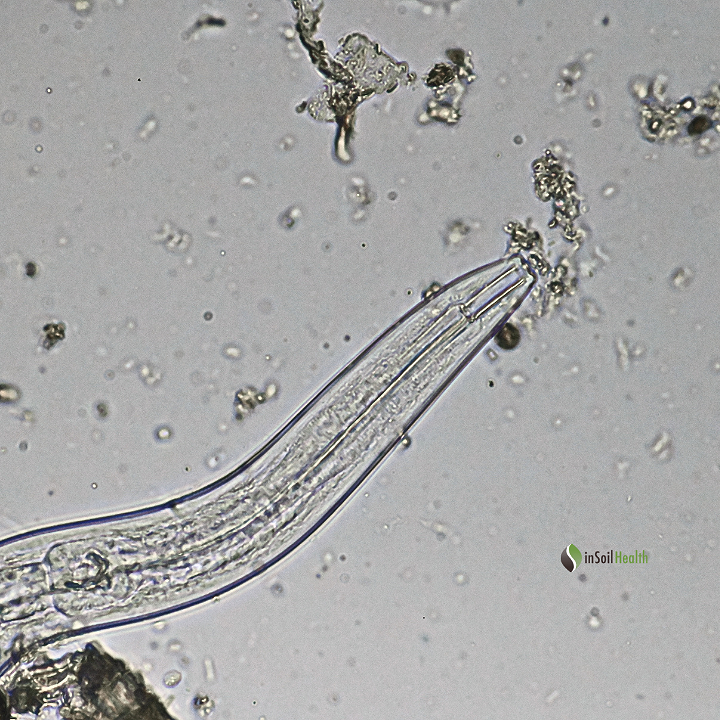
The Marigold Effect
French marigolds act as a natural biocontrol against plant-parasitic nematodes, primarily through a chemical defense mechanism that interrupts the root-knot nematode life cycle. The toxic chemical, alpha-terthienyl, is activated when a nematode penetrates the marigold root. Since beneficial nematodes don’t feed on plant roots, they're less susceptible to these biocontrols and can freely exist in soils where marigolds are planted.
The beneficial nematodes captured here appear to be feasting on clumps of soil bacteria - the ideal food source that is ultimately transformed into essential plant nutrients to help your garden thrive.
Micrographs by inSoil Health at 400x total magnification.
Marigolds Bring Resilience and Broad Compatibility to Grow Systems
Cabbage isn’t the only vegetable that likes having marigolds around. French varieties are famous for getting along with nearly every plant in the garden and are considered “ideal” companions for over 24 different fruits and vegetables.
Additional classic pairings:
Tomatoes: French marigolds neutralize root-knot nematodes affecting tomatoes.
Peppers & Eggplants: They benefit from similar nematode protection and increased pollinator activity.
Cole Crops: Marigolds can help attract predators and neutralize root-knot nematodes across this entire horticultural category including broccoli, cabbage, cauliflower, and brussels sprouts. Also extends into kale, collard greens, kohlrabi, and sometimes turnips or mustard greens.
I appreciate marigolds for their low maintenance requirements and incredible resiliency as trap plants - if you scout for pests and keep up with neutralizing them, marigolds will spring back after taking the hit. They’re among my favorite because they’re easy to plant from seed, easy to grow, and the seeds are easy to save. They thrive in full sun, are drought tolerant, and grow in a wide range of soil conditions. Plus, they add “buzz” and visual beauty to the grow space.
Our Top 4 Tips for Planting French Marigolds
Timing Your Planting
Direct Sowing: Wait until the danger of frost has passed and the soil is warm (ideally between 70°F and 80°F). This is typically 1 to 2 weeks after the last frost date.
Starting Indoors: Start seeds 6 to 8 weeks before the last frost date to get a head start on spring blooms.
Sowing the Seeds
Depth: Lay seeds flat on the surface of the soil and lightly cover with 1/8 to 1/4 inch of soil or vermiculite.
Light Requirement: Marigold seeds need light to germinate, place in a sunny window or under grow lights.
Germination and Early Care
Moisture: Keep the soil consistently moist but not waterlogged until sprouts appear; usually takes 4 to 14 days.
Warmth: Provide a warm spot (about 68°F–75°F) or use a heating mat for indoor starts.
Thinning: If you planted multiple seeds together, thin them once they have their first set of "true leaves," selecting the strongest plant.
Hardening Off: When starting indoors, gradually acclimate seedlings by placing them in a shaded, sheltered spot outdoors for a few hours a day before transplanting.
Planting and Maintenance
Spacing: Space 6–10 inches apart.
Pinching and Deadheading: Once plants are about 6 inches tall, pinch off the top growing tips and remove dead flowers. Both encourages the plant to branch out and become bushier. I often fall off on this one - in my experience healthy seedlings will bush out regardless.
Avoid Overhead Watering: If you can, water at the base of the plant to prevent powdery mildew and keep the dense flower heads from loosing vibrancy before their time.
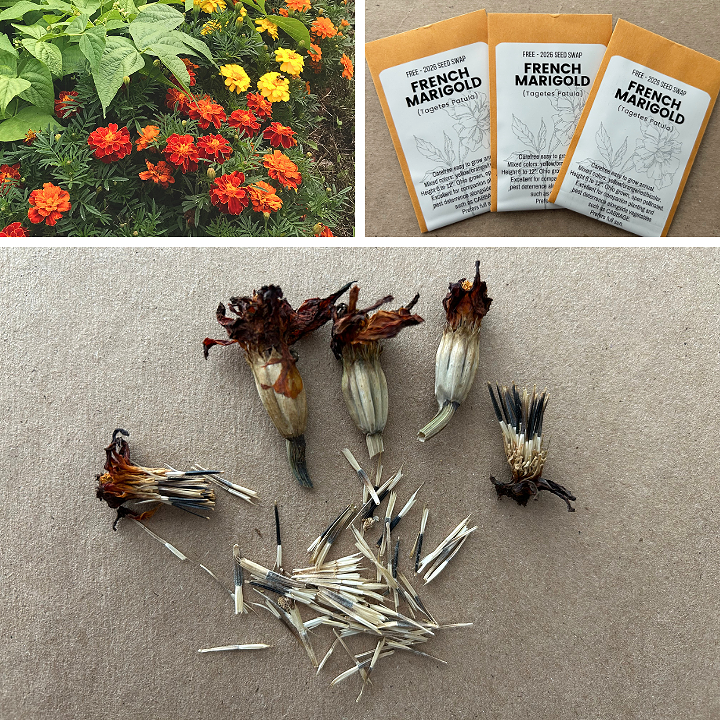
Unusual Seeds, Superior Ecosystem Benefits
Planting marigold seeds is super simple. Whether you start seedlings indoors or sow directly into your garden, the blooms are stunning and the the effect on ecosystem diversity make this plant a must-have in every regenerative garden.
Planting marigolds alongside cabbage in the Fermenter’s Garden is a smart companion strategy.
Try it this year!
.
Final word
Whether marigolds make your planting list or not, I hope this encourages you to think strategically about boosting biodiversity in your grow system - both above and below ground. As growers, we prepare with excitement for the spring planting season. As fermenters, we know these preparations will define the scope and depth of functional foods that can be made in a single season. Marking the transition from a cold winter to a productive gardening season is one of the most glorious times of the year. I wish you all the best for a productive and successful season.
"Don’t judge each day by the harvest you reap, but by the seeds that you plant." - Robert Louis Stevenson (1850–1894)
Plant on, Kraut on!
© 2025-2026 Kres Kitchen LLC. All rights reserved.