Fermented Cabbage: Your Flu Season Survival Guide
As we navigate through peak flu season, protecting your health starts from the inside out. While handwashing and rest are vital, one of the most powerful “flu-fighting” tools might already be in your refrigerator: Sauerkraut.
Far more than a simple topping for Rueben sandwiches, sauerkraut is a nutritional powerhouse with benefits that outpace common thinking when it comes to building immunity. New research from the University of California, Davis (2025) reveals that fermented cabbage produces specific metabolites that protect intestinal cells from inflammation and helps us maintain a resilient gut barrier - a dynamic and effective barricade against potential threats that could make us sick. Among these beneficial metabolites is Vitamin C, a potent immune supporter. Historically fermented cabbage was used to prevent scurvy, today we bring in additional ingredients that are naturally high in Vitamin C to further increase the bioavailability of powerful antioxidants in our krauts.
Here is why you should add a daily forkful (or two) of “the wild tang” to your winter routine:
Your Gut is Your Shield
Approximately 70% to 80% of your immune system resides in your gut. Sauerkraut is a natural probiotic, teaming with beneficial microbial species like Lactobacillus. These “good guys” prime your immune system to efficiently recognize and attack viral invaders. Regular consumption of fermented cabbage has been linked to a reduced risk of infection - and faster recovery times if you do get sick.
The Vitamin C Supercharge
You know Vitamin C is crucial for white blood cell production, but did you know the fermentation process actually increases its bioavailability? A single serving of sauerkraut can be a solid contributor to your daily Vitamin C requirements depending on the quality of ingredients and the fermentation technique. Although most vegetables contain higher concentrations of vitamin C in their raw form, this doesn’t help much when we’re deep into winter or when you don’t feel like preparing meals. Fermentation is a highly effective preservation method for capturing the benefits of seasonal vegetables at their peak and locking-in these benefits in a ready-to-eat functional food.
At Kres, we grow certain vegetables known to be higher in Vitamin C. These whole ingredients become a practical way to enhance bioavailability in select varieties. Some of these vegetables include hot chili peppers (found in Fiery, Spicy Salsa and Spiced Turmeric Sauerkrauts), followed closely by bell peppers (found in both our Mild and Spicy Salsa Sauerkrauts). A single serving of these krauts handily beats a fresh orange for boosting your total Vitamin C intake. Kres Salsa Sauerkraut is one of our most satisfying forays into optimizing both FLAVOR and BIO-THERAPEUTICS in our sauerkrauts. Bright, colorful veggies (peppers, tomatoes), fermented along with cabbage, resulting in Vitamin C powerhouse varieties.
Fighting Inflammation
The flu often causes a “cytokine storm” or an acute inflammatory process that leaves you feeling achy and wiped out. Severe body aches and muscle pain are hallmark early symptoms. The initial flood of cytokines triggers intense inflammation directly affecting muscles and joints. Sauerkraut contains anti-inflammatory compounds and phytochemicals that work to neutralize free radicals and help moderate the inflammatory response.
The other side of the coin involves maintaining a healthy diet when you’re well. A regular diet that includes fermented foods may help keep chronic inflammation in check. In a study conducted with healthy volunteers (Wastyk et al., 2021), a 10-week fermented food intervention resulted in decreased circulating cytokine levels. Low baseline cytokine levels are crucial in healthy adults to prevent chronic low-grade inflammation which is linked to metabolic diseases, cardiovascular issues, and accelerated aging. Maintaining low levels avoids unwanted immune system activation, preventing tissue damage and ensuring that the immune system remains responsive only when needed. If your body is faced with a real threat like the flu, having the necessary reserves to focus energy on the fight can make all the difference. This is resilience.
Nutrient Loading
One of the most significant "loading" effects of lactic acid fermentation is the creation of nutrients that are not originally present in raw cabbage or other plant-based ingredients. Recent research from UC Davis (2025), highlights that fermentation produces hundreds of new metabolites - beneficial chemical byproducts - that protect the gut lining. The process generates bioactive compounds like short-chain fatty acids (SCFAs) and D-phenyl lactate (D-PLA), which have potent anti-inflammatory and immunomodulatory properties.
New metabolites? Yeah, you won’t get these benefits from a raw diet.
Summary of Vitamin C - Quantity vs. Bioavailability
While some studies note that total Vitamin C may decrease during fermentation due to microbial metabolism or oxidation, the "net gain" for the body is often higher. This is because the remaining vitamin is in its most active and absorbable form.
Here’s the breakdown:
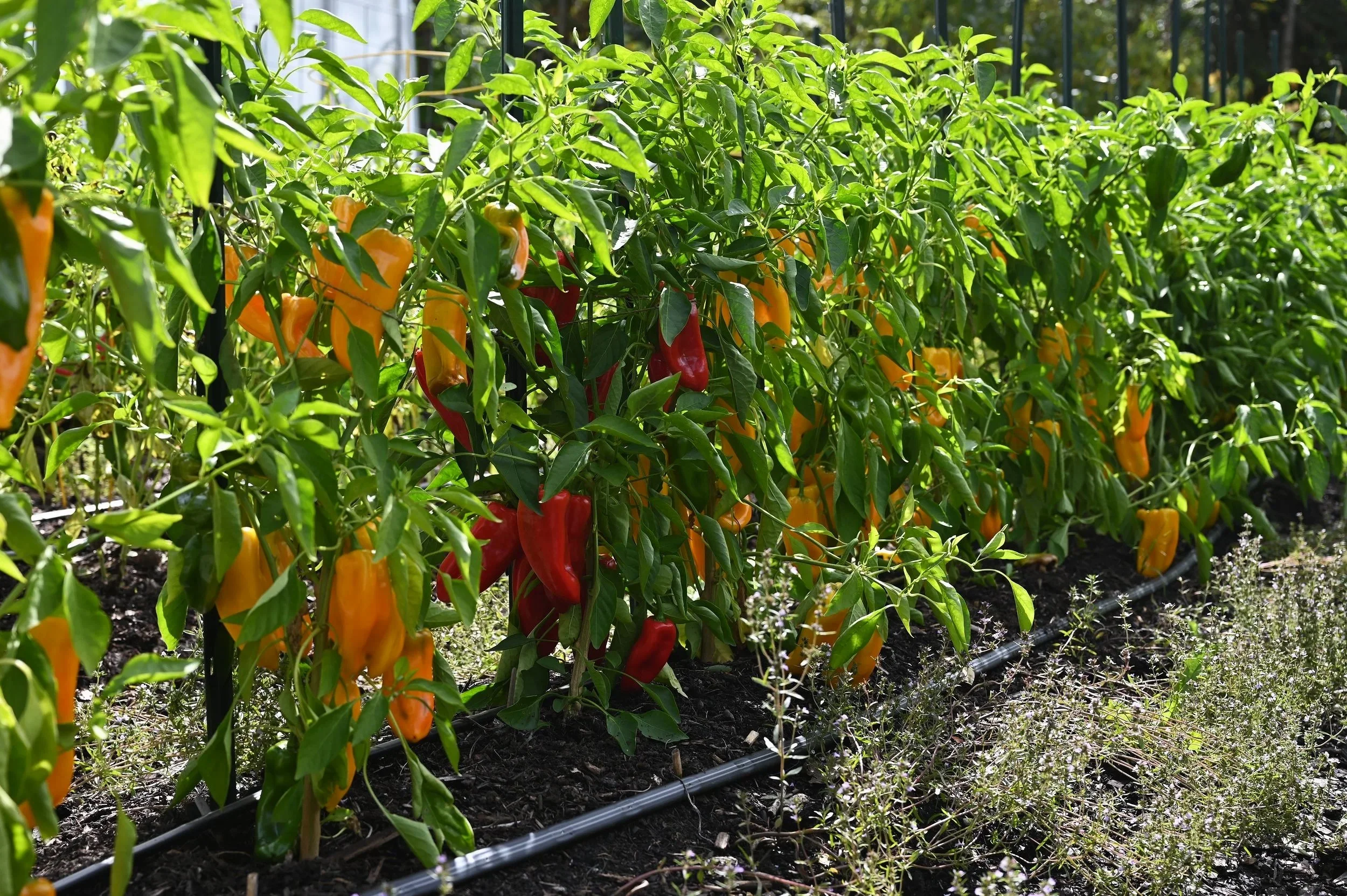
Raw Vegetables
Total Vitamin C Quantity: Highest
Vitamin C Bioavailability: Lower (trapped within fiber and rigid plant structures so that human digestion alone cannot fully break nutrients down)
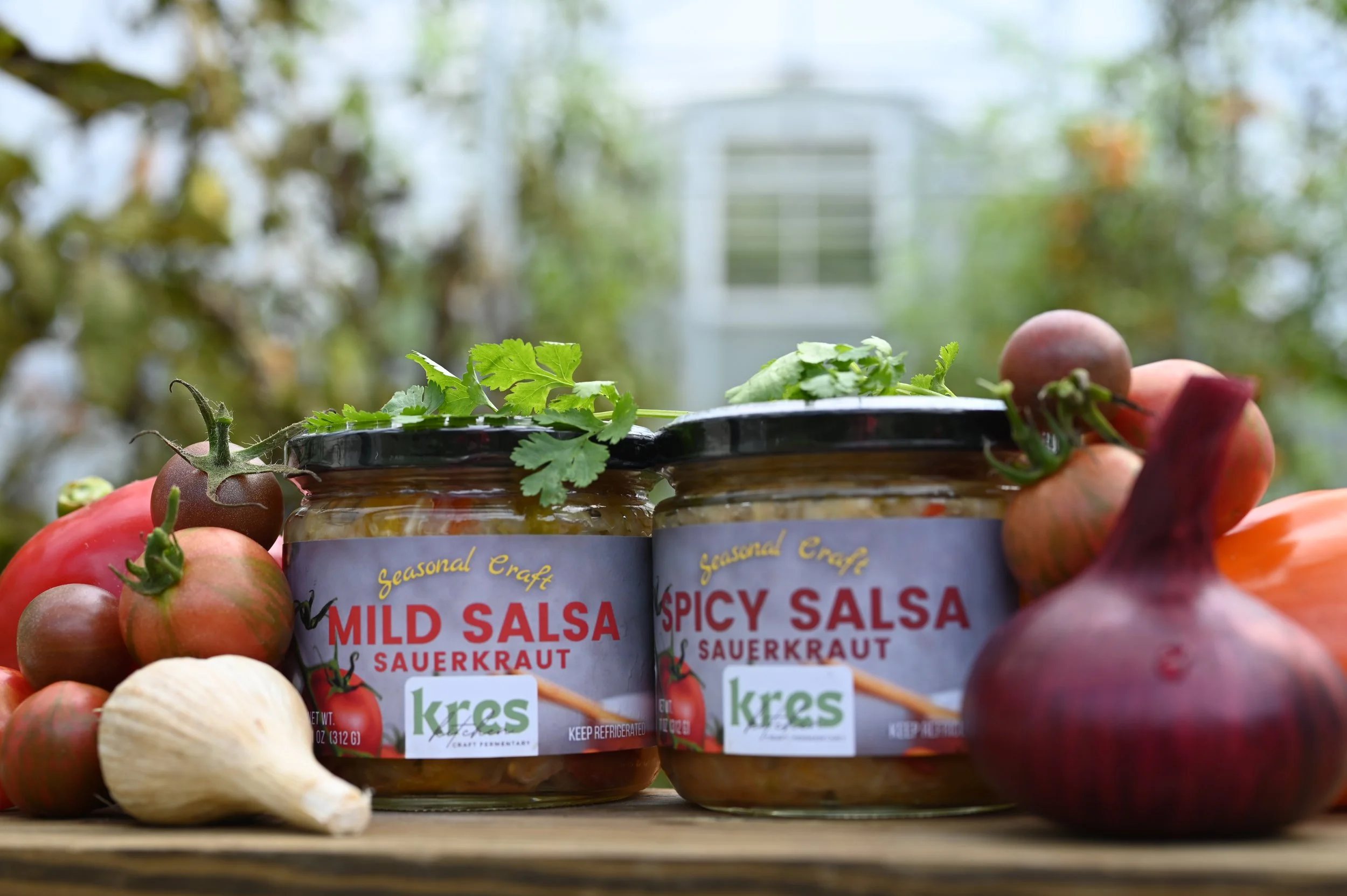
Fermented Vegetable
Total Vitamin C Quantity: Often lower than raw vegetable form
Vitamin C Bioavailability: Higher (unlocked and active)
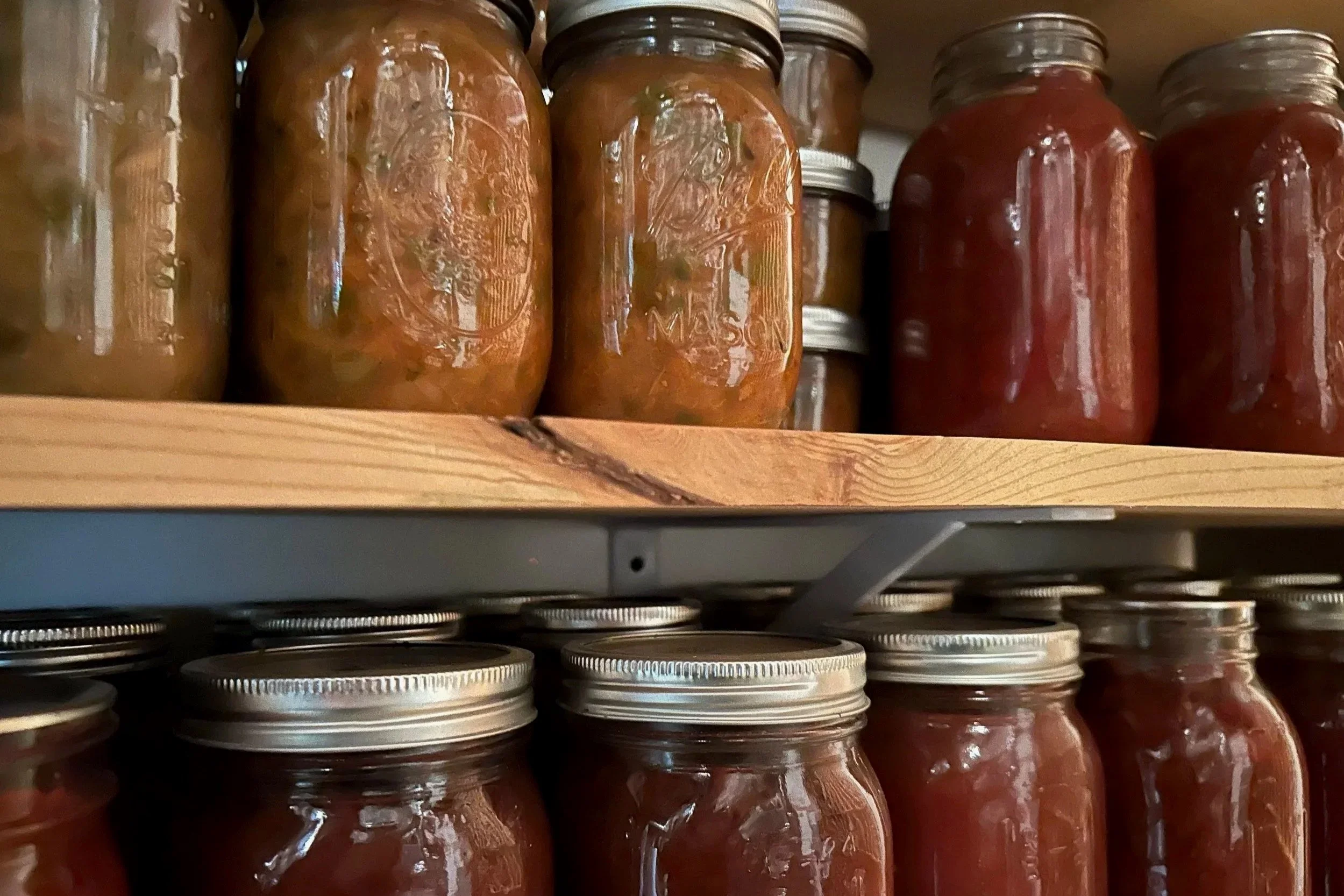
Pasteurized (canned) Vegetable
Total Vitamin C Quantity: Much lower (20-90% lower due to heat-induced oxidation)
Vitamin C Bioavailability: Significantly Lower
All photos taken by Kres Kitchen LLC: Top: Happy sweet peppers ripening at Kres Farm for salsa sauerkraut production, Middle: Kres Kitchen finished Salsa Krauts and a few raw vegetables representing some ingredients. Bottom: A variety of shelf-stable canned vegetables in dry storage.
How to Choose the Best Flu-Fighting Sauerkraut
Not all sauerkrauts offer the same bottom line when it comes to functional capacity. To get the maximum immune benefits:
Look for “Raw” or “Unpasteurized”: Heat-treating (thermal pasteurization) neutralizes the beneficial bacteria and enzymes of fermented foods. Thermal pasteurization also decreases both Vitamin C quantity and Vitamin C bio-accessibility (amount released from food for absorption). Always grab your sauerkraut from the refrigerated section. Even better - buy directly from your local fermenter or make your own.
Find Your Wild: Authentically fermented sauerkraut is a probiotic powerhouse that boosts gut health with a diverse community of beneficial microbiology. This diversity can be promoted by craft fermenters in two important ways:
Firstly, by selecting ingredients that were cultivated in regenerative or organic healthy living soil, and
Secondly, by using a reliable 3-phase fermentation technique (full-cycle microbial succession)
Wild fermentation recruits hundreds of beneficial species directly from our environment, whereas mass-produced versions often use a single engineered starter culture (monoculture) produced for large commercial applications. These commercial inoculants can short-circuit the fermentation cycle affecting flavor and nutritive attributes. Local diversity is a big advantage - for improving gut health and for creating the most delicious artisan FLAVORS.
Check the Ingredients: The highest quality sauerkrauts should only contain cabbage, whole fruits/vegetables, spices and unrefined salt. Avoid brands with added sugars, preservatives or low quality salt. Unrefined salt (e.g. Pink Himalayan, Redmond) is minimally processed and retains dozens of trace minerals like magnesium, potassium, calcium, and iron that occur naturally in the source. These trace minerals are not only beneficial to us, they’re vitally important to the performance of the microbiology living and working in the ferment. If your goal is to elevate specific bioactive nutrients, like Vitamin C, consider selecting sauerkraut made with red cabbage (higher in Vitamin C) or green cabbage varieties made with vegetables naturally high in Vitamin C (like peppers). This will give you the best flu-fighting effect for your money.
Keep it Local: Seasonal vegetables grown locally, picked at their prime and processed almost immediately cuts storage time and minimizes long haul transportation to processing facilities. This is how Kres makes the highest quality and best tasting sauerkrauts. Period.
If your version of “local” means grown in your own back yard or fermented in your own kitchen, we salute you! Growing your own inputs or buying from local growers pays “food dividends” — FREE local cultures + carefully selected ingredients = custom fermentation.
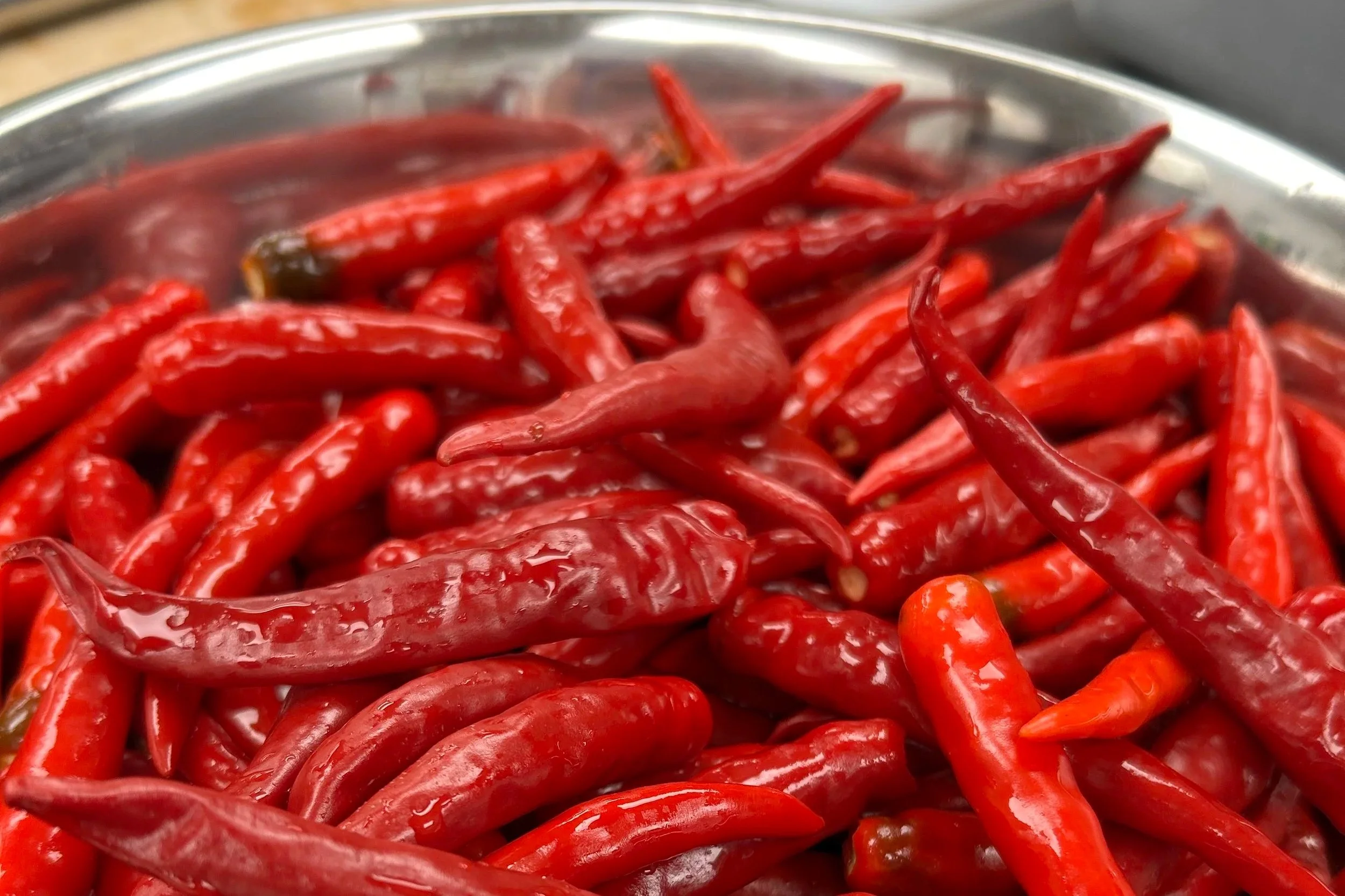
Clean Ingredients Matter
We’ve learned through our own experience and through direct customer feedback, that higher quality “clean” ingredients produce better ferments. Both flavor and overall functional capacity are shaped by the inputs used. On countless occasions customers share with us that our flavors are extraordinary, but equally important… they say they “feel better” after incorporating our krauts into their meal plan. YESSS!
Translation: Ultra-local Farm-to-Fermentation is a powerful engine for driving quality. Whether you’re a small producer or a home grower/fermenter, a special shout-out goes to you: KEEP GOING!
The “Forkful-A-Day” Challenge
You don’t need to eat a whole jar; a little kraut goes a long way. Consistency always beats consuming a heaping amount every now and then. Research suggests that just two to three forkfuls a day can deliver enough healthy bacteria and bio-therapeutics to reliably support your microbiome. My favorite way is over eggs to start the day: think Protein + Fiber + Gut Health (Kraut Toast). Also love kraut on top of a leafy green salad for extra flavor, as a side salad to boost fiber with any meal, or simply added to a cup of cottage cheese or hummus as a healthy bite when I’m on the run.
This flu season, let functional foods be an additional line of defense. Grab a jar of wild fermented sauerkraut and give your immune system the daily probiotics and bioactive fuel it needs to help keep you going strong.
Kraut on!
© 2025-2026 Kres Kitchen LLC. All rights reserved.