DOGGO! A Living Food Additive for Dogs
Nourish your dog’s gut microbiome with the vibrant, living power of natural fermentation.
Wild fermented whole vegetables and fruits provide a diverse ecosystem that common synthetic supplements simply can't replicate. Feeding lactofermented foods can be an effective way to improve your dog’s gut microbiome because the fermentation process not only adds beneficial bacteria, but also prebiotic compounds, enzymes, and natural bio-therapeutics in a form that the K9 gut can readily recognize and utilize. This natural combination may support a more robust and diverse microbiome, improve digestion, and promote long-term gut health.
5 Reasons Real Fermented Foods Outperform Probiotic Pills/Powders:
Diverse Nutrient Profiles: Beyond just bacteria, fermented foods like DOGGO provide essential vitamins (C, K), fiber, and phytonutrients that support your pet’s overall vitality.
Enhanced Bioavailability: The fermentation process pre-digests nutrients, making minerals and vitamins easier for your dog to absorb.
Postbiotic Benefits: Real fermentation produces short-chain fatty acids (SCFAs) and other postbiotics that are crucial for immune system performance and nervous system health.
Gut-Brain Harmony: A balanced microbiome from whole food sources is linked to reduced anxiety and improved mood in dogs.
Natural Protection: Lactic acid bacteria (LAB) from real food help outcompete harmful gut bacteria and strengthen the intestinal barrier more effectively than isolated strains present in commercial probiotics.
How Kres Kitchen Got Started on DOGGO
While we didn't set out to specifically ferment for dogs, customers with a keen interest in “whole family” health were asking… we listened, and started exploring.
Our research into K9 gut health validated that gut-associated lymphoid tissue is a major and highly active component of the canine immune system, reflecting the gut’s critical role in mucosal immunity. While the immune system’s cells and functions are distributed across multiple tissues throughout the K9 body, and while exact proportions of this distribution may vary by age, health, and environmental factors, there’s is no disputing this key point: there is value in focusing on gut health through better feeding.
The recent surge in canine gut health awareness makes good sense to us. Companion animal health, like human health, can be positively influenced by food. Where Kres Kitchen differs from the many in the pet health industry, is in our promotion of real food and “live active cultures” instead of synthetic pills and powders. Feeding lactofermented foods to dogs can be better than probiotic pills because the fermentation process provides a more diverse and holistic solution. Lactofermented foods are often better at reaching the intestines than manufactured probiotics because they provide a protective "delivery vehicle" that helps beneficial bacteria survive the harsh journey through a dog's digestive tract.
Why Whole Food Fermentation Always Wins:
The Food Matrix: The physical structure of the food — its fats, proteins, and fibers — act as a protective buffer, shielding live bacteria from the high acidity of the stomach and giving them cover until they reach the intestines.
Built-in Adaptation: Bacteria in fermented foods have already adapted to a spontaneous, competitive environment (during the fermentation process). This makes them more resilient to the shifting conditions within the gut compared to laboratory-grown strains that are freeze-dried and dormant.
The Polyphenol Buffer: Vegetables are rich in polyphenols (antioxidants) act as a "shield" for lactic acid bacteria (LAB). These compounds can improve the stability and antioxidant activity of beneficial bacteria, helping them survive the journey through the stomach to the colon.
Active vs. Dormant: While many manufactured pills contain "dormant" bacteria that must rehydrate and become “activated”, fermented foods contain live active colonies that are already metabolizing in the ferment, and are ready to begin working as soon as they reach the intestinal lumen.
Production of Organic Acids: During the fermentation process, bacteria produce organic acids and antimicrobial compounds that help them survive and maintain dominance over harmful microbes once they arrive in the digestive tract. It’s a competitive environment and lactofermented foods help the good guys win.
Why DOGGO Should be in YOUR Fridge
Made with ultra-local and regeneratively grown ingredients, DOGGO is fermented with whole fruits and vegetables that are safe for dogs to consume raw. DOGGO production naturally flows with the seasons. New ingredients are introduced four times a year to align with local produce commonly available during Spring, Summer, Autumn and Winter. This rotational change in ingredients is important because it introduces diversity in both the nutritional profile (e.g. different sets of vitamins, minerals and phytonutrients), as well as in the wild microbial consortium (different microbes naturally found on the surfaces of fruits and vegetables across the seasons). Diversification in both categories strengthens the role of seasonal rotation for optimal canine gut health. A quick and easy way to elevate your dog’s daily meals with so much more than just probiotics.
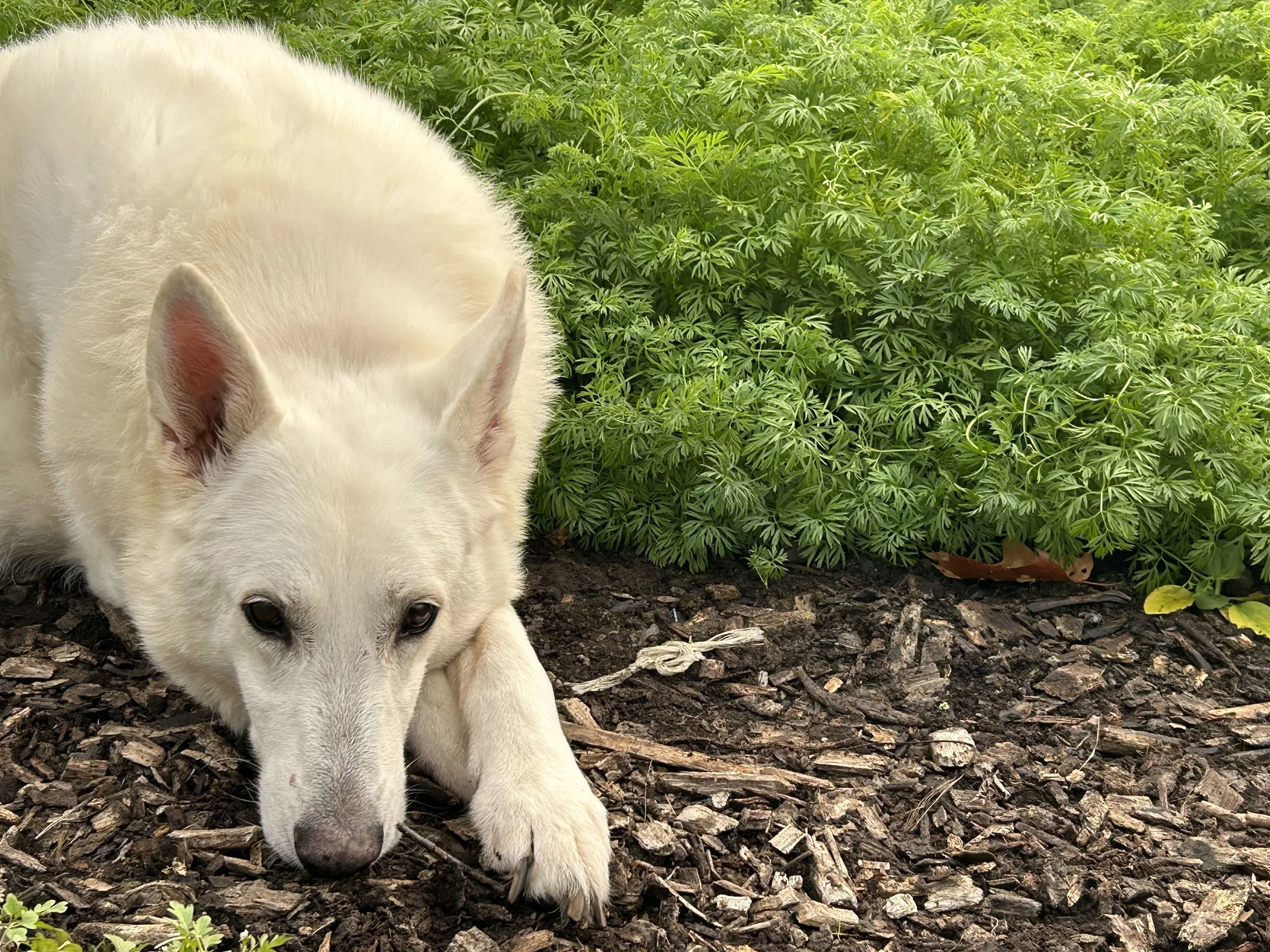
Will My Dog Eat It?
Meet Quercus.
German Shepherds tend to be notorious picky eaters with finicky appetites. Despite being a large dog, Quercus has no qualms about skipping meals if his food doesn’t hit right.
Quercus got turned on to DOGGO. The perfect “test subject,” he had no complaints about a tablespoon over his normal food everyday. It helped his stools and shined-up his coat. While these are the most visible signs, the benefits actually go deep - the result of improved internal gut health from better nutrient absorption and reduced skin inflammation.
How to Feed DOGGO
Start Slow. Feeding small amounts of DOGGO with your pet’s regular food delivers indigenous biological cultures, digestive enzymes, and diverse gut health benefits to help your dog thrive.
If you’re just starting your pet on DOGGO and/or you have small dogs (under 50 pounds), begin with 1/2 teaspoon overtop their regular food. Monitor their response and adjust up to 1-2 teaspoons/day. Mild diarrhea is a common signal that you should reduce the amount or spread the servings out to every other day until their system adjusts. For larger dogs start with a full teaspoon and work up to a routine serving of 1 to 2 tablespoon(s) on top of their regular food daily. A little bit goes a long way. Feeding a small amount consistently is better than feeding large helpings periodically.
Pro Tip: If your dog is super finicky, try adding a dollop of cottage cheese plus the DOGGO. This worked well for Quercus. Also, some dogs tend to eat around long strands of shredded vegetables like cabbage - it helps to cut these pieces up.
DOGGO Quality + Sustainability
We want your dog to have the best that nature has to offer — so we don’t skimp on ingredients. Inputs for DOGGO are taken from surplus vegetables that we’ve regeneratively grown ourselves, or that we’ve sourced locally but exceed our kraut production needs. This “surplus sourcing” is our way of maintaining the highest quality while supporting a no-waste closed-loop system. Resources, such as water, nutrients, and sunlight, have already been used to produce a crop. When nature gives us extra, we’ll do our best to optimize it all. This is why Autumn DOGGO made one year features beets, and the following year it may be something totally different, like sweet potatoes. Crop surpluses and zero-waste are both important drivers of sustainability with DOGGO as our flex. This approach helps us ensure we never compromise on ingredients or the biological principles of authentic fermentation. A high-quality food additive aimed at improving your dog’s gut health is the ultimate goal. I think we’ve nailed it!
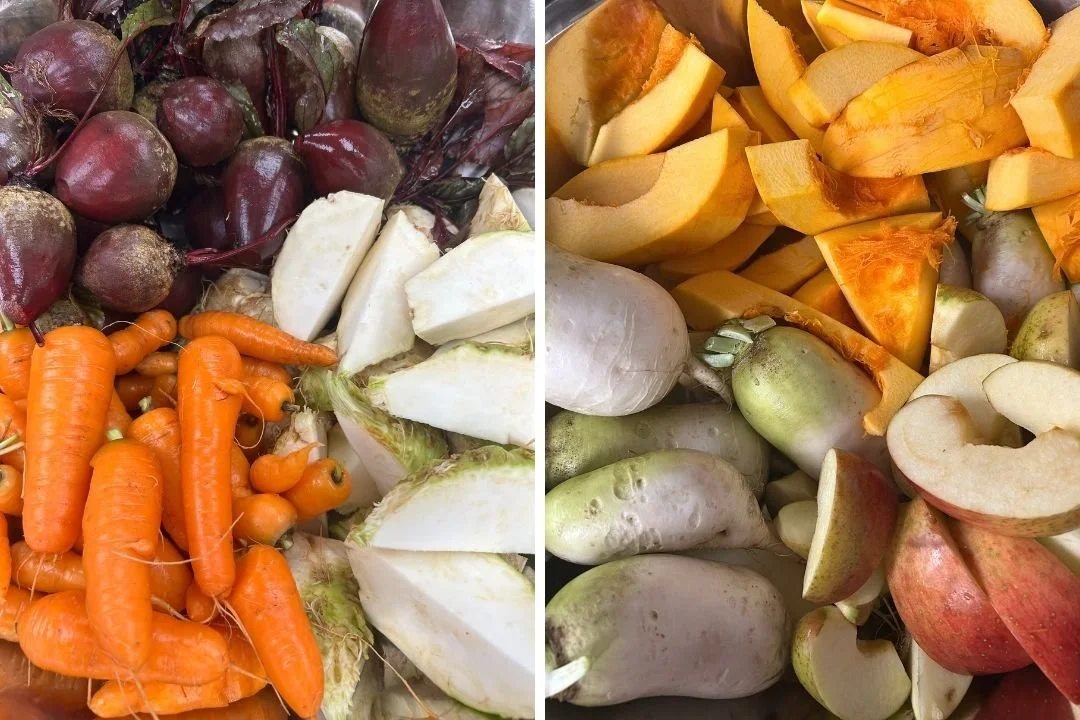
Two Seasons of DOGGO
Examples of Rotating Ingredients
Autumn DOGGO Ingredients (left): beets, carrots, celery root (plus cabbage).
Winter DOGGO Ingredients (right): winter radish, pumpkin, apple (plus cabbage).
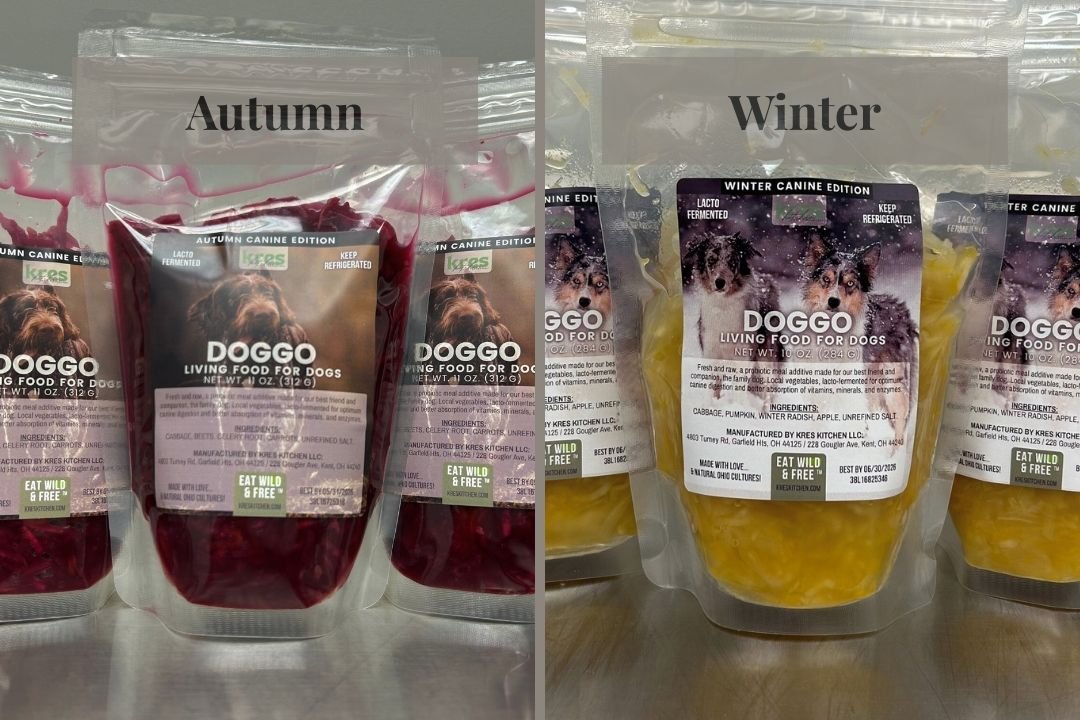
DOGGO is made using a slow fermentation process, allowing nature to complete her magic before packaging.
After packaging, the biology rests in a refrigerated state until it’s time to go to work in your dog’s digestive system.
Slow fermentation is important to us because it develops a wider, more diverse, and robust variety of bacterial strains (probiotics), which are essential for a balanced, healthy gut microbiome. Slow fermentation also allows for a more thorough breakdown of raw vegetables, increasing the bioavailability of vitamins and minerals, making them easier for your dog to absorb.
Is DOGGO Safe for People?
Several folks have asked us whether or not DOGGO is safe for people to eat. The short answer: ABSOLUTELY. That said, I’ve highlighted a few important caveats below. Basically, we’re not as fastidious about washing and trimming vegetables for DOGGO as we are for our krauts and “human” ferments. For example, cabbage outer leaves and whole carrots (roots and tops) - all go right into the shredder.
Additionally, while we’re obsessed with creating delicious tangy flavors in our krauts, flavor is not a focus with DOGGO… at all. Instead, we’re focused on building a diverse combo of seasonal fruit/vegetables that are safe for dogs to consume raw, and that when fermented together, will deliver a powerful K9 nutritional and biological gut health boost. If some folks want to eat DOGGO, you won’t hear any objections from us. Whether you’re choosing DOGGO for yourself, or your dog, you can feel confident in the safety and quality of this ferment.
| KRES KITCHEN DOGGO | KRES KITCHEN KRAUT | |
|---|---|---|
| INGREDIENTS | Only fruits & vegetables safe for dogs | Fruits, vegetables, herbs, spices |
| INGREDIENT SOURCING | Local & seasonal | Local & seasonal |
| WHERE IS IT PRODUCED? | Commercial kitchen | Commercial kitchen |
| KITCHEN PREP | Minimal fruit/vegetable trimming | Careful trimming |
| TEXTURE | Not important: lower % salt used | IMPORTANT: salt % aligned with recipe |
| FLAVOR | Natural: no detailed recipe | PRIORITY: recipe-driven |
| FERMENT METHOD | Natural wild cultures, slow lacto-fermentation | Natural wild cultures, slow lacto-fermentation |
| SALT QUALITY | Unrefined mineral salt | Unrefined mineral salt |
| AVAILABILITY | Year-round (ingredients change 4x/year) |
Seasonal krauts may sell out. |
| PACKAGING | Resealable Pouches | Glass |
| EXPECTED LIFE | 6 months (best by date) | Many months (no best by date) |
| STORAGE | Contains live active cultures - keep refrigerated | Contains live active cultures - keep refrigerated |
Final Thoughts
Individual dogs vary — some may tolerate DOGGO straight away while others may need time for “digestive adjustment”. Approximately 10–20% of dogs experience temporary digestive upset when first starting commercial probiotics — while naturally fermented foods are more holistic, and may be less problematic, there’s isn’t much data separating the two. The best approach is to start slow and monitor your pet. Common symptoms of digestive adjustment: increased gas, bloating and loose stools during the first 3-7 days of feeding DOGGO as the gut microbiome rebalances. If this occurs, half the amount or switch from feeding daily to every other day.
If your dog is on a special diet, has a medical condition, or if you’re unsure about feeding lactofermented foods, it’s always best to talk with your veterinarian before changing your dog’s diet.
Let’s bring our best friends along with us on this gut health journey.
Kraut on people!
Kraut on doggies!
Kres Kitchen provides general educational information as a public service which should not be construed as professional or medical advice. Please refer to our complete Terms of Agreement.
© 2025-2026 Kres Kitchen LLC. All rights reserved.